
Welcome to the Third Shift Movement Shop, home of Literal Technique, where we work so we can move. And welcome to Installment No. 5 of The Central Geekdom of Dance Technique, “Toward A Fusion Body.”
In Installment Nos. 2 and 3, I talked about two gaps in technique, one created by studio training and one created by the way technique is conventionally taught. In Installment No. 4, I talked about technique and professional dancers. So, by now, you should have some understanding of why I developed Literal Technique. This installment is a discussion of the concept of the fusion body in Literal Technique. In order to begin, let me take two steps back.
Simultaneity. Dance training is the process by which dancers learn the technique of simultaneously stabilizing and moving the body, which is accomplished by using simultaneously different muscle effort. This means that, throughout the body, in order to maintain a neutral skeleton when we are moving, our muscles are doing different things at the same time. There is nothing uniform about the alignment of a dancing body. A dancer must learn enough sensitivity and have enough awareness to physically coordinate both nuanced and exact simultaneity throughout the body. This is done in service to the expression of an idea – controlling the form the body takes so we can say what we want to say.
The simultaneity of things is what makes dance technique so difficult to master. Unless a dancer understands what happens where, alignment of the whole body when we move is nearly impossible. What tends to happen for many dancers is that some area of the body is aligned while another area is not. Imagine the amount of compensation the body must do when this is the case. And herein lies the rub.
Dance training is the process by which dancers learn the technique of simultaneously stabilizing and moving the body, which is accomplished by using simultaneously different muscle effort . . . The simultaneity of things is what makes dance technique so difficult to master.
What Happens Where. The muscles move the bones. If the muscles take the bones out of alignment, you end up with imbalances in the body. We could talk all day about why that happens, but if you look at any imbalance in your own body (for example, maybe your right collar bone is higher than your left), unless it is a structural discrepancy, your muscles are taking your skeleton out of neutral. And that will impact your dancing.
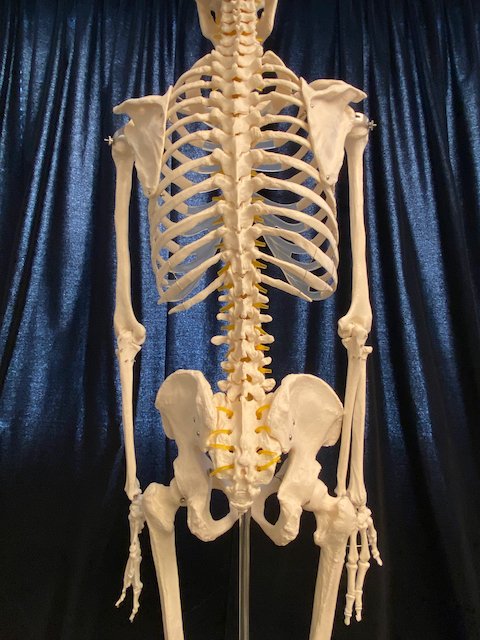
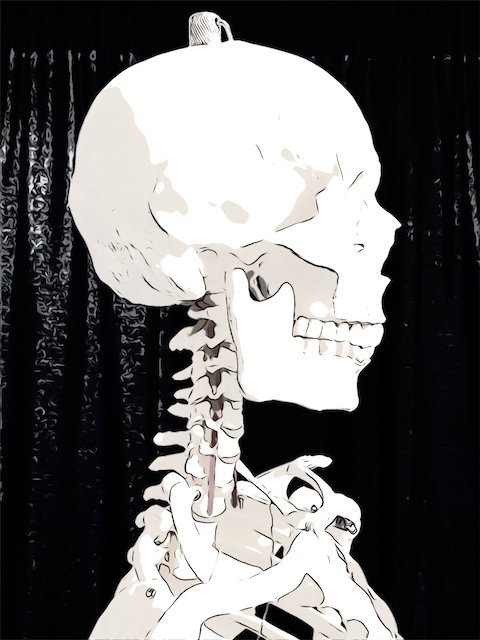
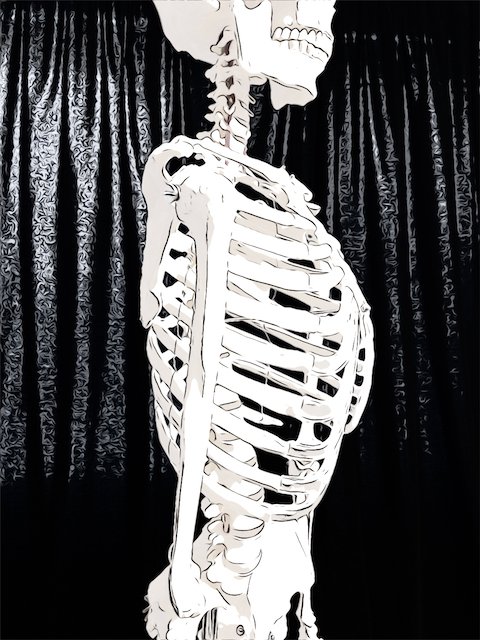
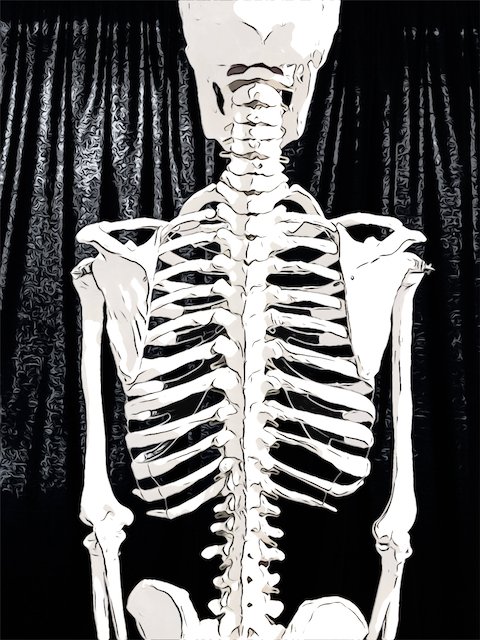
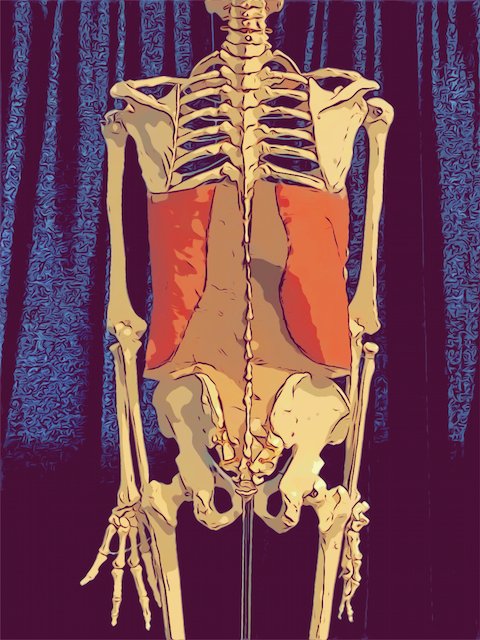
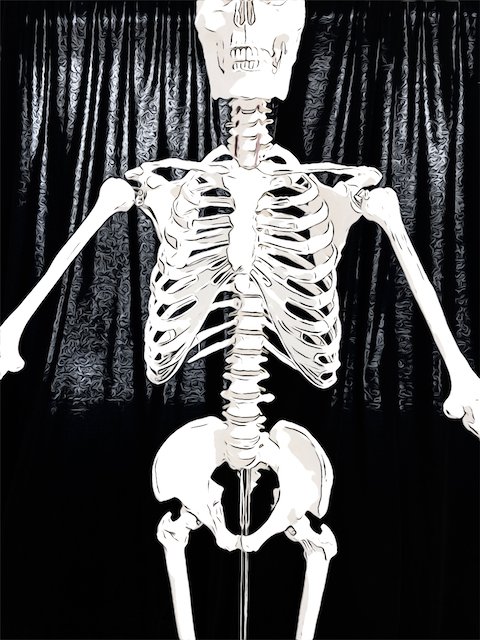
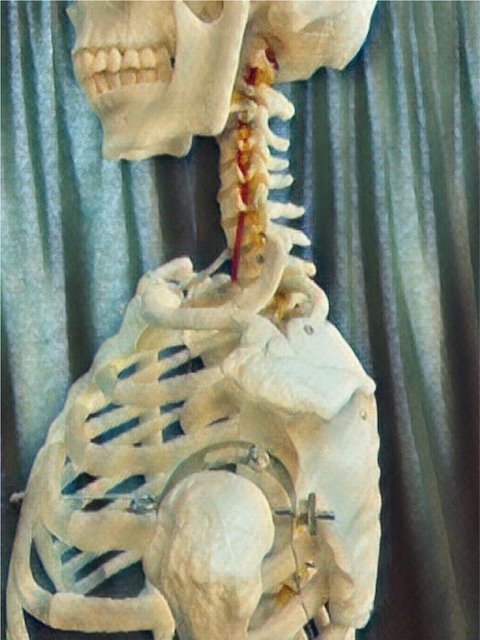
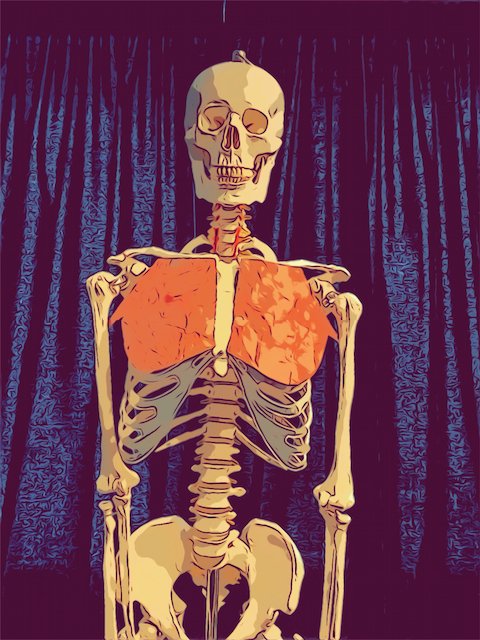
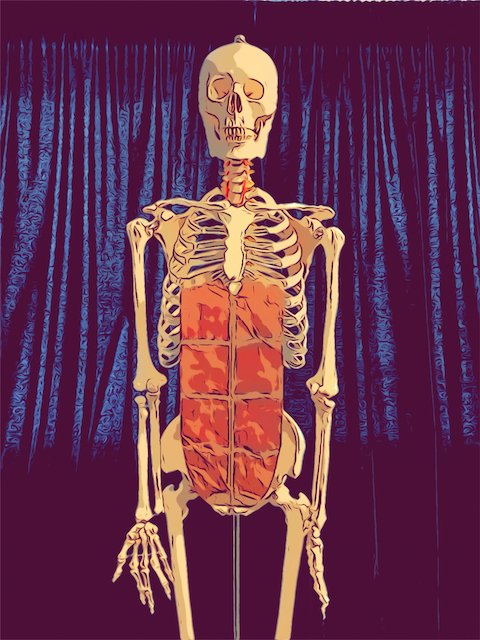
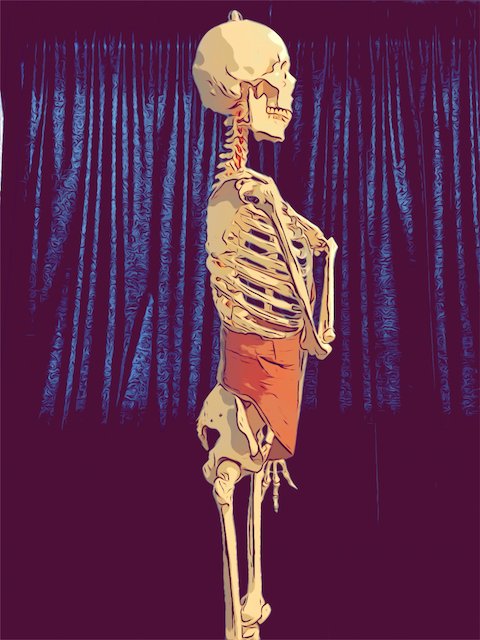
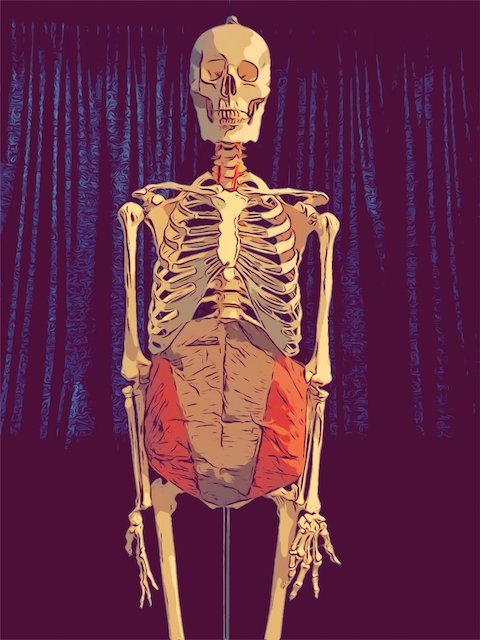
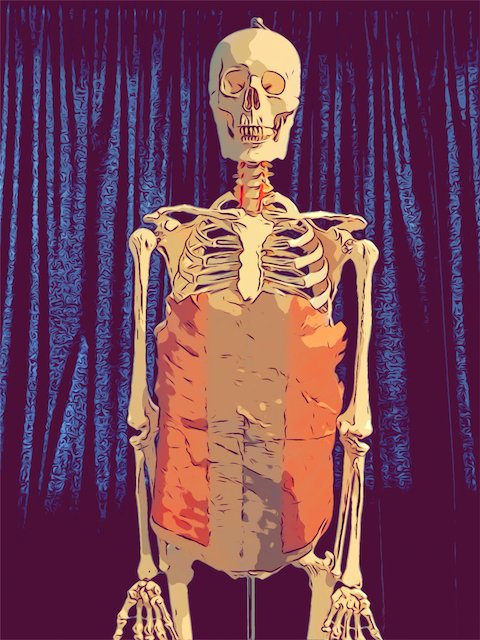
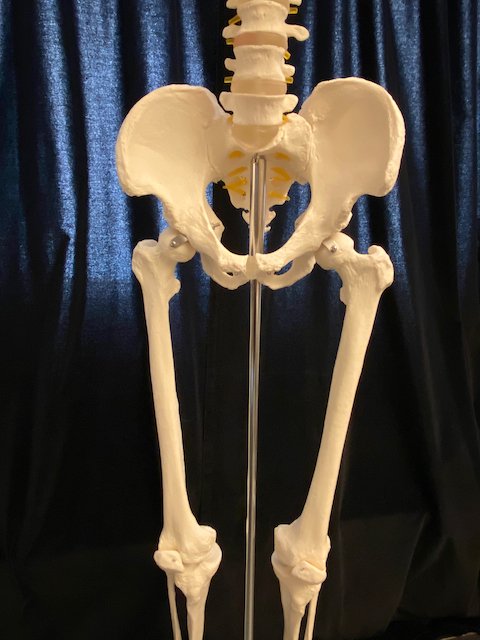
Our first goal, then, is to understand a neutral skeleton. Without muscle, a neutral skeleton is at rest, in a sense. Bone is where it is, in anatomical balance. So, it is important to really see the skeleton, so you know what it looks like underneath muscle.
But a neutral skeleton is more than that. The skeleton is also neutral when it is allowed to do what it does anatomically without muscularly forcing it into a position that strains the bone-to-bone and bone-to-muscle connections. For example, in forced external rotation of the hip, knee, and ankle to achieve a certain fifth position of the feet, the bones are no longer neutral.
The corollary to this is that “stable,” “stability,” or “stabilize,” mean that the muscle is using the amount of energy and effort necessary to maintain a neutral skeleton. These terms do not mean that the muscle is holding on for dear life. Muscle does not grip and grind the bone in place and create a body made of unbreakable marble.
The nuance comes because maintaining a neutral skeleton does not mean that alignment is a rigid, static state in the body. Alignment in the body when we dance is dynamic – it continuously shifts when we move (just like our weight), and that requires us to have a nuanced understanding of what it means to simultaneously stabilize and move bone with muscle. What this leads us to is sensitive muscle and a breathing, living body. The bone is neutral and the muscle is responsive.
So, when we talk about technique and alignment, we mean bone and muscle. Not bone or muscle.
We mean both.
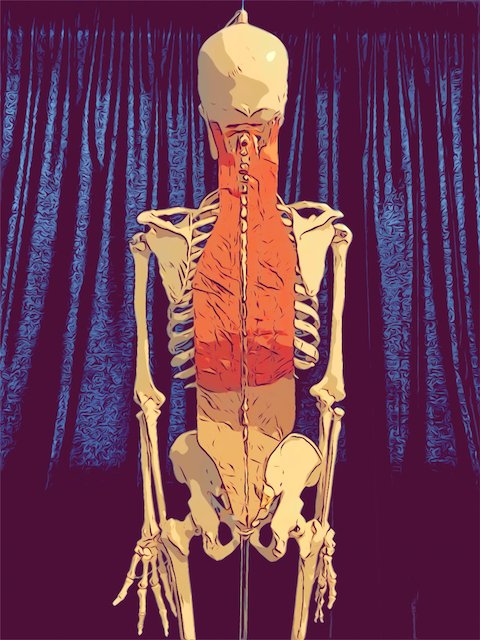
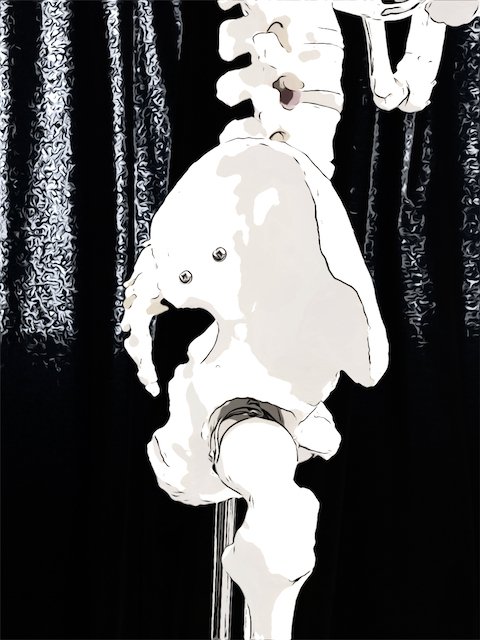
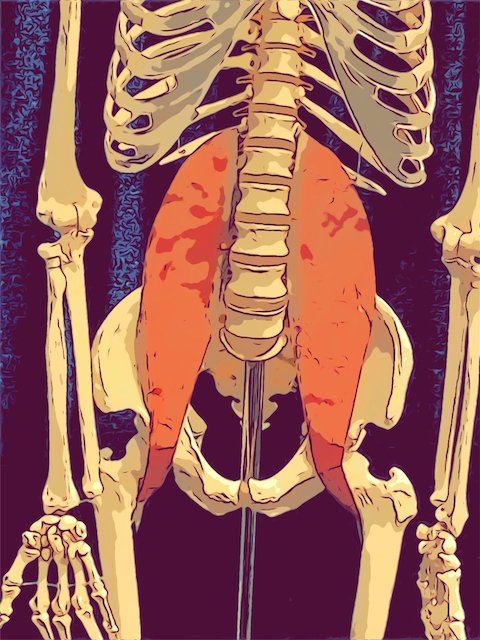
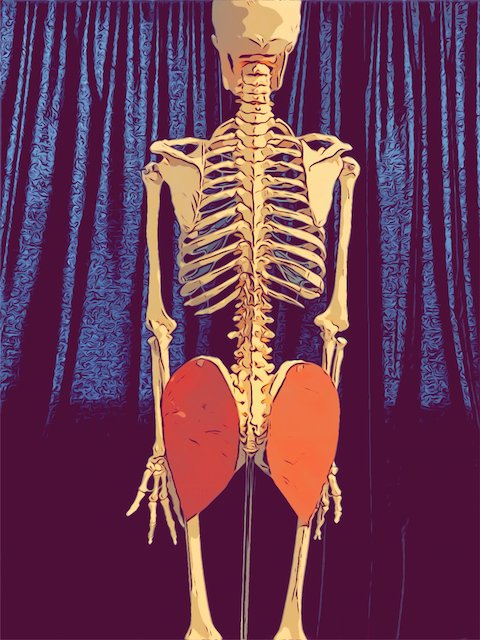
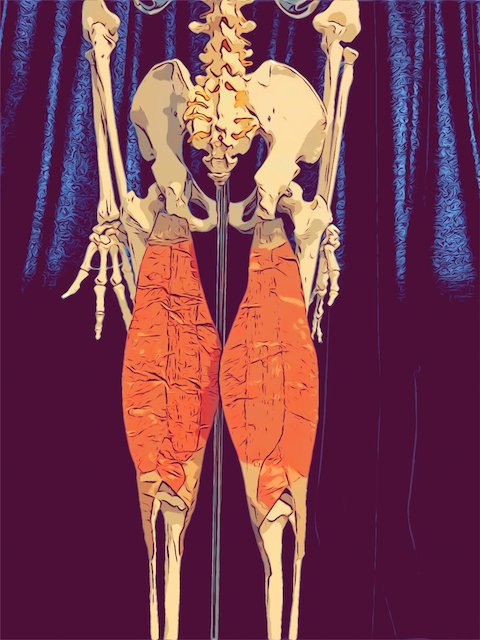
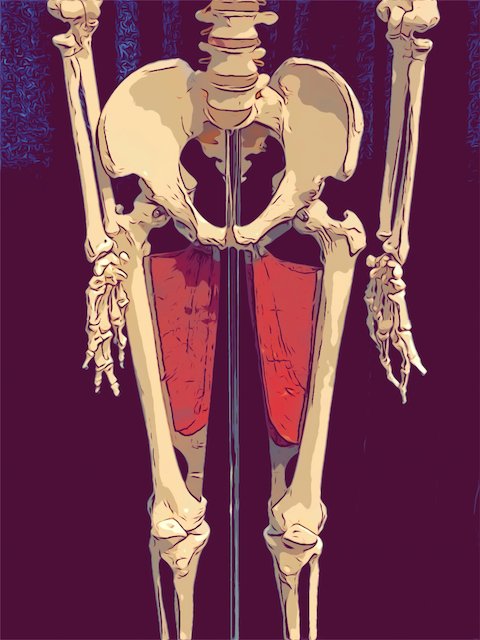
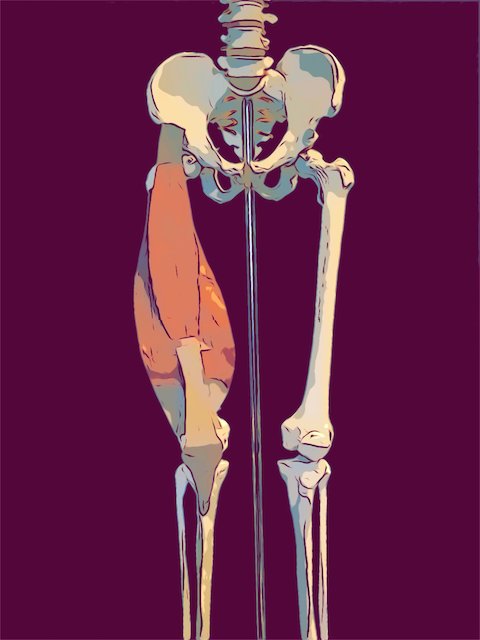
So, when we talk about technique and alignment, we mean bone and muscle. Not bone or muscle. We mean both. If we define technical fundamentals as understanding what happens where, then I see the practical starting point as the spinal column, the skull, the shoulder bones (the scapulae, the collar bones, and the humeri), the rib cage barrel, and the pelvic barrel/the hip joint bones (the hip bones and the femur) – the bones – and the Erector Spinae, the Latissimus Dorsi, the Pectoralis Major, the Transversus Abdominis, the Rectus Abdominis, the Internal and External Obliques, the Psoas, the Glutei Maximi, the Hamstrings, the Adductors, and the Quadriceps Femoris – the 12 muscles.
In Literal Technique, then, I identify the bones and 12 muscles that I believe provide a foundation for the simultaneity we need when we dance. The bones and 12 muscles are the technical fundamentals, the what happens where, of Literal Technique.
A Fusion Body. If you look in a dictionary, fusion means the joining of two or more things together to form a unified thing. So, what is a fusion body?
Think about the movement of any animal. There are no arms and legs, no front legs and back legs. The body moves instinctively as a unified organism. The “parts” are inseparable; they form a unified thing. The animal moves. We are the same.
Literal Technique says that so long as we divide the body into parts, unified movement will escape us. The body is a unified thing, a fusion body.
Literal Technique says that so long as we divide the body into parts, unified movement will escape us. The body is a unified thing, a fusion body. To understand the fusion body, you have to leave behind the demarcations that sever the dancer from the body and the body from itself. Yes, it is important to understand how to move the arms and the legs. But what is missing is a technique that teaches dancers how to move the arms and the legs of a fusion body. If you can move the body the way it actually moves, you have tapped into fusion.
A shift in understanding is required. We must view and train the body (not the mind or a non-existent body) as a fusion body. This is the goal of Literal Technique.
But we are not ready to shift just yet. To dance with the logic of a fusion body, you have to understand the body. So, each of my next installments will show you, one by one, what the bones and the 12 muscles look like; explain what happens where; and discuss the technique fundamentals that move us toward a fusion body. It’s time to enter the geeky world of the literal body.
Next installment: The Spinal Column.
Photos credit: Jill Redfern
You can send comments and questions to Jill at info@thirdshiftmovementshop.com. Please subscribe to the Third Shift’s YouTube channel and follow the Third Shift on Facebook.